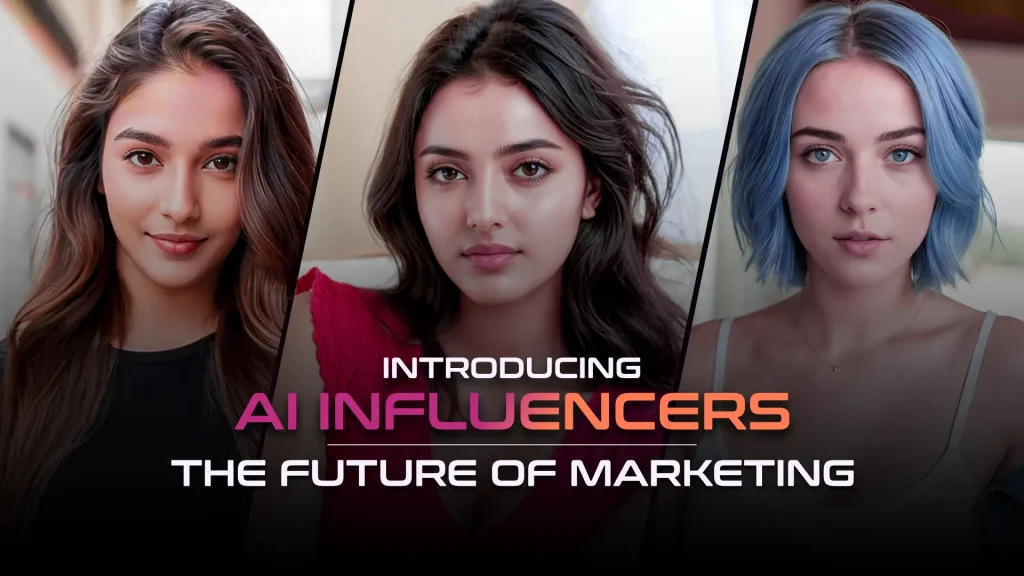
AI Influencer Agency for USA Brands
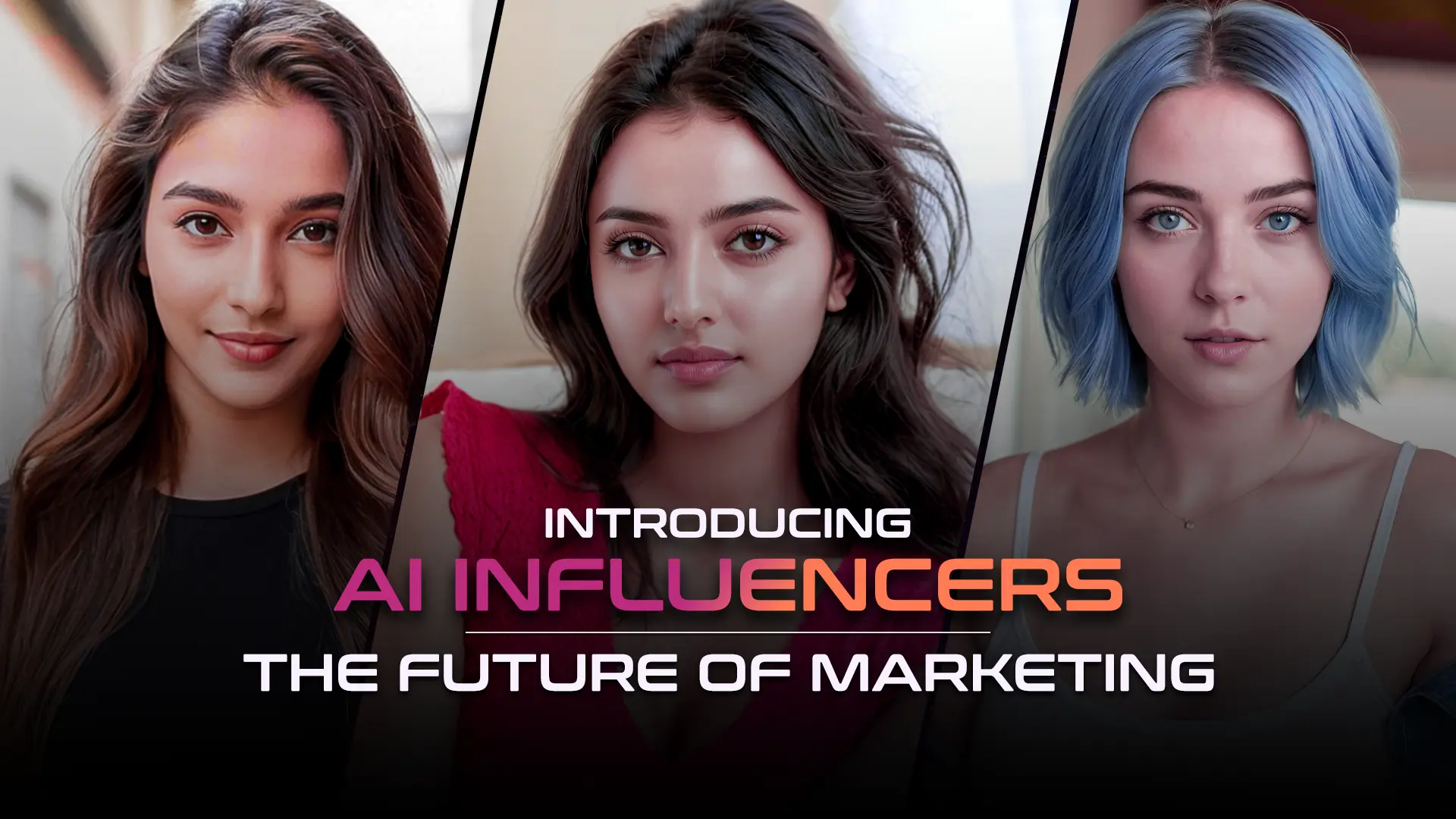
Create an influencer that works for your brand. Nomad Digital Bureau provides AI influencers, virtual brand ambassadors and UGC created through artificial intelligence for brands seeking to reach US audiences. From developing the influencer’s character and creating their visual identity to demonstrating products, creating short videos and ads, we create digital personalities based on your brand and goals.
How USA Brands Are Using AI Influencers to Build the Next Generation of Digital Marketing
The way brands create marketing content is changing. Instead of relying exclusively on traditional photoshoots, human influencers and one-off creator collaborations, brands can now develop digital personalities that exist specifically for their marketing ecosystem.
These digital personalities are commonly called AI influencers, virtual influencers or virtual brand ambassadors.
For US brands, the opportunity goes beyond creating an AI-generated person. A properly developed AI influencer can become a recurring character for social media, product demonstrations, UGC-style advertising, brand storytelling and short-form video campaigns.
That is where an AI influencer agency in usa can play an important role. Rather than treating artificial intelligence as an image-generation tool, an agency can combine character development, creative production, AI video, UGC-style content and digital marketing strategy into one system.
Nomad Digital Bureau works in this space through its AI and virtual influencer offering, which focuses on digital personas for UGC-type advertisements, product demonstrations, social media marketing and branding campaigns, extending from character creation to video creation and editing.
What Is an AI Influencer?
An AI influencer is a personality made digitally that is able to interact with the audience by producing content.
Different from a typical influencer, the personality is not bound by the physical presence of a real person in front of the camera during every campaign. The personality, appearance, look, voice and content can be tailored according to the needs of the brand.
What matters here is the fact that an AI influencer should not necessarily be a realistic AI face.
A realistic face is a valuable resource.
The personality with the specific role, established identity and consistent content strategy can become a marketing tool.
For instance, a tech firm might produce a digital tech personality showing their products, a fashion firm may create a digital fashion creator, and a SaaS firm might create a virtual presenter explaining their software.
The use case will determine the commercial value of the AI influencer.
Why Are US Brands Exploring AI Influencers?
Traditional influencer marketing remains useful, but it can involve creator discovery, negotiations, scheduling, production coordination and individual campaign deliverables.
An AI influencer offers a different production model.
Once the character has been developed, the brand can create additional content around that identity without starting the character-development process again for every campaign.
This can make AI influencers particularly interesting for brands that need frequent creative production.
A virtual personality can potentially appear in product demonstrations, social videos, educational content, advertisements, campaign launches and branded storytelling.
The real opportunity is therefore not simply AI-generated content.
It is repeatable branded content built around an owned or controlled digital personality.
AI Influencer Marketing Is More Than AI-Generated Images
One of the biggest misconceptions about AI influencer marketing is that it means generating photorealistic images of a fictional person.
That is only the beginning.
A complete AI influencer program can involve character strategy, visual identity, personality development, image generation, AI video, scripts, voice, product integration, UGC-style advertisements, social content and campaign strategy.
US agencies currently positioning themselves in this category are also expanding beyond character generation into content production, social-media management, campaign strategy and analytics.
This distinction matters when a brand evaluates an AI influencer agency.
The question should not simply be:
“Can this agency create a realistic AI person?”
The better question is:
“Can this agency turn that character into a repeatable marketing asset?”
AI Influencers as Virtual Brand Ambassadors
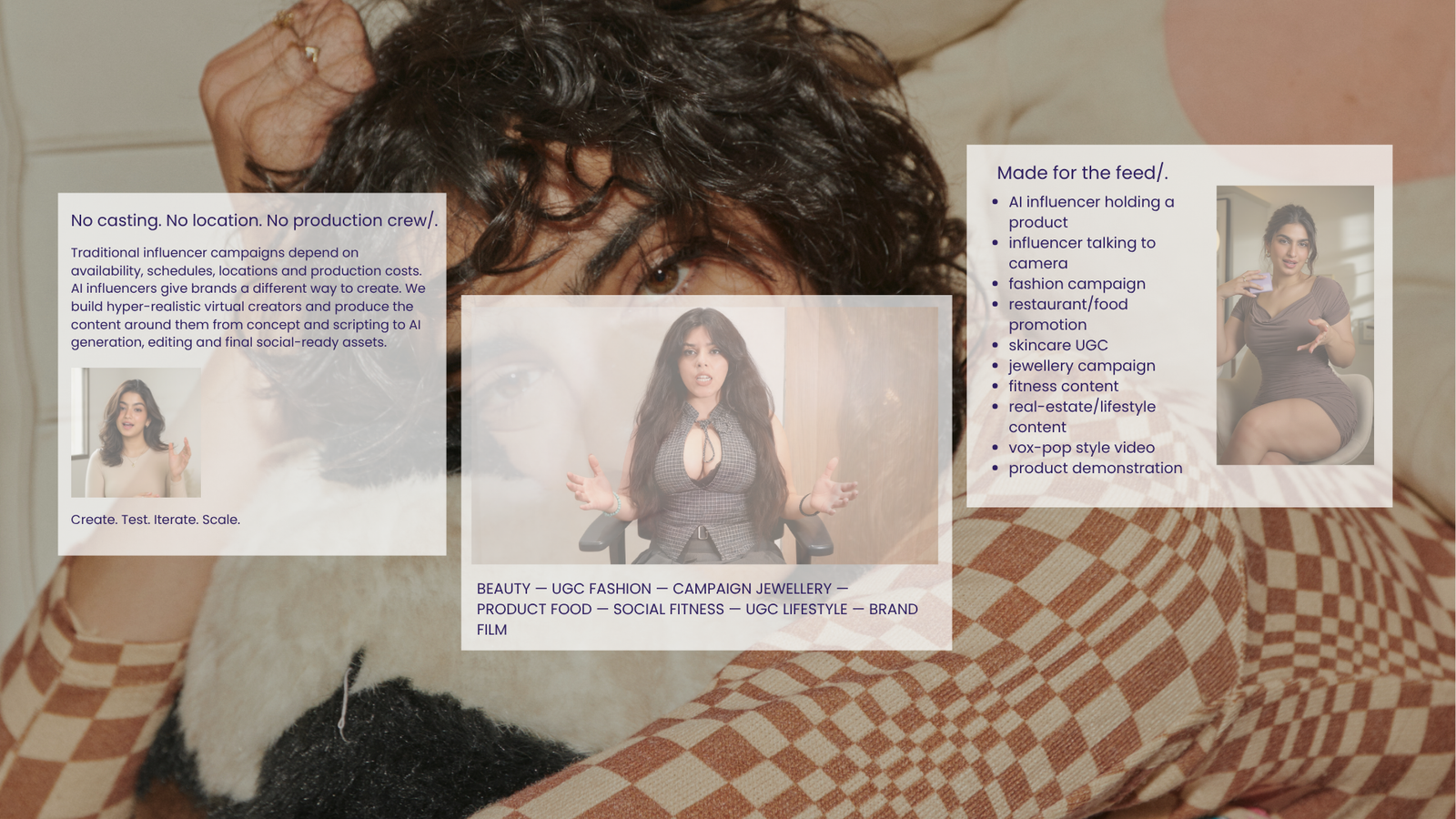
Perhaps one of the most powerful commercial uses of AI influencer technology would be that of the virtual brand ambassador.
Rather than approaching each campaign as an individual influencer collaboration, the brand can create a consistent digital persona to represent their brand and/or products.
The brand ambassador can feature in video campaigns on social media sites, product tutorials, advertisements, instructional material, and marketing campaigns.
The character can gradually come to be recognized as a component of the brand.
This is not to suggest that AI influencer technology will have to make do without the presence of human influencers.
The business may employ human influencers for the purpose of reach and credibility, and the AI influencer for branded content.
AI Influencers for US Technology and SaaS Brands
Technology companies are an especially interesting use case because many products need explanation.
A SaaS company could use an AI influencer to demonstrate a software feature.
An AI startup could use a virtual personality to explain a new product.
A cybersecurity company could create educational videos around common security problems.
A consumer technology company could use a virtual creator for product demonstrations.
A mobile application could use an AI presenter to explain new features.
In these cases, the AI influencer is not simply advertising the company.
It is helping communicate the product.
That makes the combination of AI influencer + product demonstration + AI UGC + short-form video particularly relevant for technology brands.
AI Influencers for US Ecommerce Brands
Ecommerce brands constantly need new visual content.
Product photography, creator videos, demonstrations, advertisements and social-media content can require continuous production.
A virtual influencer introduces another creative option.
The same digital character can appear in different environments, campaign concepts and product-focused videos while maintaining a recognizable identity.
For fashion, beauty, lifestyle, consumer electronics and other visual ecommerce categories, this can create a bridge between traditional product advertising and influencer-style content.
The objective is not to pretend that a fictional person is a genuine customer.
The objective is to use a clearly positioned digital personality as a creative and advertising asset.
AI UGC for American Brands
Another big use for virtual influencers is AI UGC.
User Generated Content (UGC), as a rule, means content that was created by the customers or creators in their natural way.
AI UGC utilizes the power of artificial intelligence to emulate some of those types of content while having much better control over the process of its creation.
Therefore, an AI influencer can be used as the narrator in the UGC ads.
Examples of possible formats:
“This is what I found…”
“Three reasons why you should try…”
“This is how this product works…”
“Before purchasing…”
“I will show you…”
What Should a US Brand Look for in an AI Influencer Agency?
The first thing to evaluate is whether the agency can create a consistent character.
The second is whether it can produce video rather than only static images.
The third is whether it understands UGC-style advertising and social-media formats.
The fourth is whether it can integrate actual products into the content.
The fifth is whether it understands marketing strategy.
A brand does not need an AI influencer simply because AI influencers are trending.
It needs a reason for the character to exist.
A strong agency should therefore ask about the brand’s audience, product, positioning, platforms, content requirements and campaign objectives before deciding what the AI influencer should look like.
How Nomad Digital Bureau Approaches AI Influencer Creation
In USA Nomad Digital Bureau approaches AI and virtual influencer production from the intersection of creative production and digital marketing.
Its current AI and virtual influencer offering describes digital personas for UGC-type advertisements, product demonstrations, social media marketing and branding campaigns, with a workflow extending from character creation to video creation and editing.
That approach is important because the objective is not simply to create a synthetic personality.
The objective is to create content that can perform a marketing function.
For a technology company, that could mean product demonstrations.
For an ecommerce company, it could mean UGC-style product videos.
For a startup, it could mean building a recognizable virtual brand ambassador.
For a consumer brand, it could mean developing a recurring digital creator for social campaigns.
The character is designed around the business problem rather than created independently from the marketing strategy.
Why the US Market Is Important for AI Influencer Marketing
There are many tech firms, ecommerce brands, consumer brands, start-ups and creator economy companies operating within the USA.
It thus becomes a good testing ground for trying out different types of content.
However, being in the US market does not entail simply adding “USA” in an agency’s web site.
If an agency wants a brand looking for an AI influencer agency in the US market, then there are issues such as creativity, communication, commercial use, content ownership, disclosure, execution of campaigns and content creation for the platforms in the market which should be at stake.
Therefore, the agency has to offer a convincing service offering to the market.
In Nomad’s case, it involves positioning their AI influencer, virtual influencer, AI UGC and digital marketing services in the USA and the international market, as opposed to a thin geographical keyword page.
Why Nomad Digital Bureau Fits the AI Influencer Model
Nomad Digital Bureau is positioned around the intersection of AI content creation and digital marketing.
Its AI and virtual influencer offering focuses on creating digital personas for UGC-style advertisements, product demonstrations, social media marketing and branding campaigns, with production extending from character creation into video creation and editing.
That positioning is important because brands usually do not need an AI face simply for the sake of having one.
They need content.
They need advertisements.
They need product demonstrations.
They need social-media creatives.
They need a recognizable digital personality that can repeatedly communicate their message.
That is the role an AI influencer can play inside a modern brand’s content strategy.
The Future of AI Influencer Marketing
The next phase of AI influencer marketing is probably going to go beyond the use of artificially generated faces.
Companies will start viewing their digital personalities as a kind of reusable creative infrastructure.
A digital personality can be used in advertisements, social media posts, demo videos, educational videos, and more.
There is a rather interesting development here.
Rather than buying each piece of content separately, the company will create a digital personality that will become a part of its communication system.
This is where AI influencer agencies need to combine their expertise in creative production, artificial intelligence, influencer marketing, and digital strategy.
Build Your Brand's Virtual Influencer
The next generation of influencer marketing is not necessarily about choosing between humans and AI.
It is about choosing the right creative system for the job.
A well-developed AI influencer can become a virtual presenter, product demonstrator, UGC creator, social-media personality or brand ambassador.
For US brands exploring this model, the starting point should be a clear business objective—not simply a desire to create an AI-generated face.
Nomad Digital Bureau creates AI influencers, virtual brand ambassadors, AI UGC and AI-powered content for modern brands, including brands targeting international and US audiences.
If your brand has a product, campaign or idea that could benefit from a dedicated digital personality, Nomad Digital Bureau can develop the character and content system around it.
AI Influencer Agency - Frequently Asked Questions
An AI influencer agency creates and manages digital influencer personalities for brands. Services can include AI character creation, AI-generated images and videos, AI UGC, product demonstrations, social-media content and virtual brand ambassador development.
Yes. An AI influencer can be used for product demonstrations, advertisements, social-media videos, educational content and branded storytelling, subject to applicable platform policies, advertising rules and disclosure requirements.
Yes. Technology companies can use AI influencers to explain software, demonstrate consumer electronics, introduce applications, communicate product features and create short-form marketing content.
An AI avatar is generally a digital representation used for communication or presentation. An AI influencer is typically developed as an ongoing digital personality with an identity, content style and audience-facing role.
Yes. A company can develop a recurring AI personality specifically to represent its brand, products or campaigns. This can function as a virtual brand ambassador.
Nomad Digital Bureau is an agency offering AI and virtual influencer creation, including digital personas, UGC-style advertisements, product demonstrations, soc media content,ial-media content and video production. And we are best for ai influencer agency, brands, business , etc.